 Search
Winter is typically a period of increased illness across the Darling Downs and West Moreton regions, with higher rates of respiratory infections such as influenza, COVID-19 and pneumococcal disease. These illnesses can spread quickly through the community, increasing demand for primary care services and emergency departments.
Influenza (the flu)
What is the flu?
Influenza (also called the flu) is a very contagious infection of the airways. Symptoms may include a fever, a sore throat, a dry cough, headaches, muscle or joint pain, and tiredness or exhaustion.
Who's at risk?
People at most risk are:
- Children aged 6 months to less than 5 years
- People aged 65 years and over
- Aboriginal and Torres Strait Islander peoples aged 6 months and over
- Pregnant women
- People aged 6 months and over with medical conditions that increase their risk of influenza disease
Vaccination
The 2026 Queensland Free Flu Vaccination Program is available to all Queensland residents, including those without a Medicare card.
Children and adolescents aged 2 to 17 years can now be vaccinated using the safe, needle-free nasal spray option, FluMist.
Children under 2 years getting their influenza vaccination for the first time need 2-doses of vaccine, given 1 month apart.
Children under 9 years with medical risk conditions getting their influenza vaccination for the first time need 2-does of vaccine, given 1 month apart.
Provider information: 2026 Free Flu Vaccination Program
Queensland Health 2026 Influenza vaccination advice
2026 influenza vaccination – Program advice for health professionals

Respiratory syncytial virus (RSV)
What is RSV?
RSV is a virus that causes infection in the lungs and airways. It is one of the most common causes of respiratory (breathing) infections in children. Symptom may include runny nose, cough, sneezing, wheezing and fever.
Who's at risk?
Some people are more likely to get very sick from RSV, including:
- Infants under 12 months, especially 6 months and under
- Children under 2 with medical conditions such as chronic lung disease or congenital heart disease, or who were born early or with a low birth weight
- Aboriginal and Torres Strait islander children
- Pregnant women
- People aged 75 years and older
- Aboriginal and Torres Strait Islander people aged 60 years and older.
Vaccination
From 15 May 2026, RSV immunisation is free and recommended for:
- People aged 75 years and older
- Aboriginal and Torres Strait Islander people aged 60 and older.
RSV immunisation is recommended, but not free for people aged 60 years and older with a medical condition that increases their risk of severe RSV.
COVID-19
What is COVID-19?
COVID-19 is caused by Severe Acute Respiratory Syndrome Coronavirus 2 (SARS-CoV-2), which is a respiratory virus that affects humans. Symptoms include fever, feeling unusually tired, sore throat with or without runny nose, vomiting or feeling ill, cough, diarrhoea, loss of taste, trouble breathing, and a prolonged headache.
Who's at risk?
Some people are more likely to get very sick from COVID-19. Those at greatest risk are:
- Aboriginal and Torres Strait Islander peoples and people in remote communities
- Older people, including those living in aged care facilities
- People with certain medical conditions
- People with disability.
Vaccination
People that are not vaccinated can expect more severe symptoms.
Regular COVID-19 vaccinations are are especially important for anyone aged 65 years or older and people at higher risk of severe COVID-19.
Most patients now only need 1 first dose of a COVID-19 vaccine as their primary course. Patients may need 2 doses and can consider 3 doses if they are at high risk of severe illness.
Regular COVID-19 vaccination is recommended even in individuals who have had a past infection.

Pneumococcal disease
What is Pneumococcal disease?
Pneumococcal disease is caused by the bacterium Streptococcus pneumoniae. It can cause severe invasive disease, including meningitis, pneumonia and bacteraemia, and non-invasive disease, including otitis media. Symptoms usually start 1-3 days after exposure to the bacteria, and can include fever and chills, cough, chest pain and shortness of breath (pneumonia), ear pain, headache, stiff neck, or sensitivity to light, nausea or vomiting, feeling confused or drowsy, tiredness or weakness, and a rash or purple spots on the skin.
Who's at risk?
Infants and older adults have the highest pneumococcal disease burden. Pneumococcal disease disproportionately affects Aboriginal and Torres Strait Islander children and adults. Pneumococcal disease is more common in people with certain risk conditions.
Vaccination
Vaccination is the best protection against pneumococcal disease and is recommended and funded for the following groups:
- Infants and children less than 5 years.
- All adults aged 70 years and over.
- Aboriginal and Torres Strait Islander adults aged 50 years and over.
- All people with specified medical risk conditions (e.g. weakened immunity, chronic lung or kidney disease, no functional spleen, etc.) that increase their risk of pneumococcal disease.

Vaccine storage guidelines
Effective vaccine management reduces the risk of compromised vaccines being administered, reducing revaccination of patients.
The Vaccine Storage Guidelines 'Strive for 5' provides information and advice for vaccine storage management.
‘Strive for 5’ refers to 5 degrees Celsius (°C). This is the point midway between +2°C and +8°C which is the temperature range recommended for vaccine storage. Many vaccines are damaged or destroyed at temperatures outside this range.
Immunisation support
Reimbursement
For every privately purchased standard flu vaccine dose administered, providers may seek reimbursement of $25.00 (excluding GST), which covers the full cost of administration and the vaccine.
For privately purchased non-standard flu vaccines a provider may seek reimbursement of $25.00 (excluding GST). The $25.00 reimbursement is to subsidise the full cost of administration and contribute toward the cost of the vaccine.
Providers can seek reimbursement for influenza vaccines administered between 1 March and 30 September 2026.
To be eligible for reimbursement:
- The vaccine must be administered to a Queensland resident.
- The vaccination must occur between 1 March and 30 September 2026.
Invoices for reimbursement must be submitted to vaccinationreimbursement@health.qld.gov.au.
For more on how to submit a claim for reimbursement: Reimbursement for GPs.
Immunisation training
Darling Downs and West Moreton PHN supports healthcare professionals with funding to complete the Cunningham Centre Immunisation Course which allows them to be immunisation providers.
This course equips professionals with the knowledge and skills to safely administer vaccines as an authorised immunisation provider.
To enrol and be part of the 2026 cohort which will run from July to November, visit Cunningham Centre enrolment or contact our team at practicesupport@ddwmphn.com.au.
SMS recall program
A vaccine recall project is being rolled out in partnership with Healthily. This program aims to work with general practices to facilitate vaccine recall via SMS, specifically targeting low-uptake group including multicultural community members. For more information, please contact practicesupport@ddwmphn.com.au.
Australian Immunisation Register
The Australian Immunisation Register (AIR) is a national register which records vaccines given to all people Australia. This includes:
- COVID-19 vaccines
- vaccines given under the National Immunisation Program (NIP)
- vaccines given privately, such as for seasonal influenza or travel.
Recognised vaccination providers should record all vaccines given to patients on the AIR.
The AIR can also be used to:
- check which vaccines your patients have had
- check if your patients are overdue for any vaccines
- report medical contraindications online or natural immunities – eligible vaccination providers only.
To learn about the AIR, and how you can use it to record vaccinations and generate reports, visit Using the Australian Immunisation Register.
Spread the word and encourage your community to stay winter strong
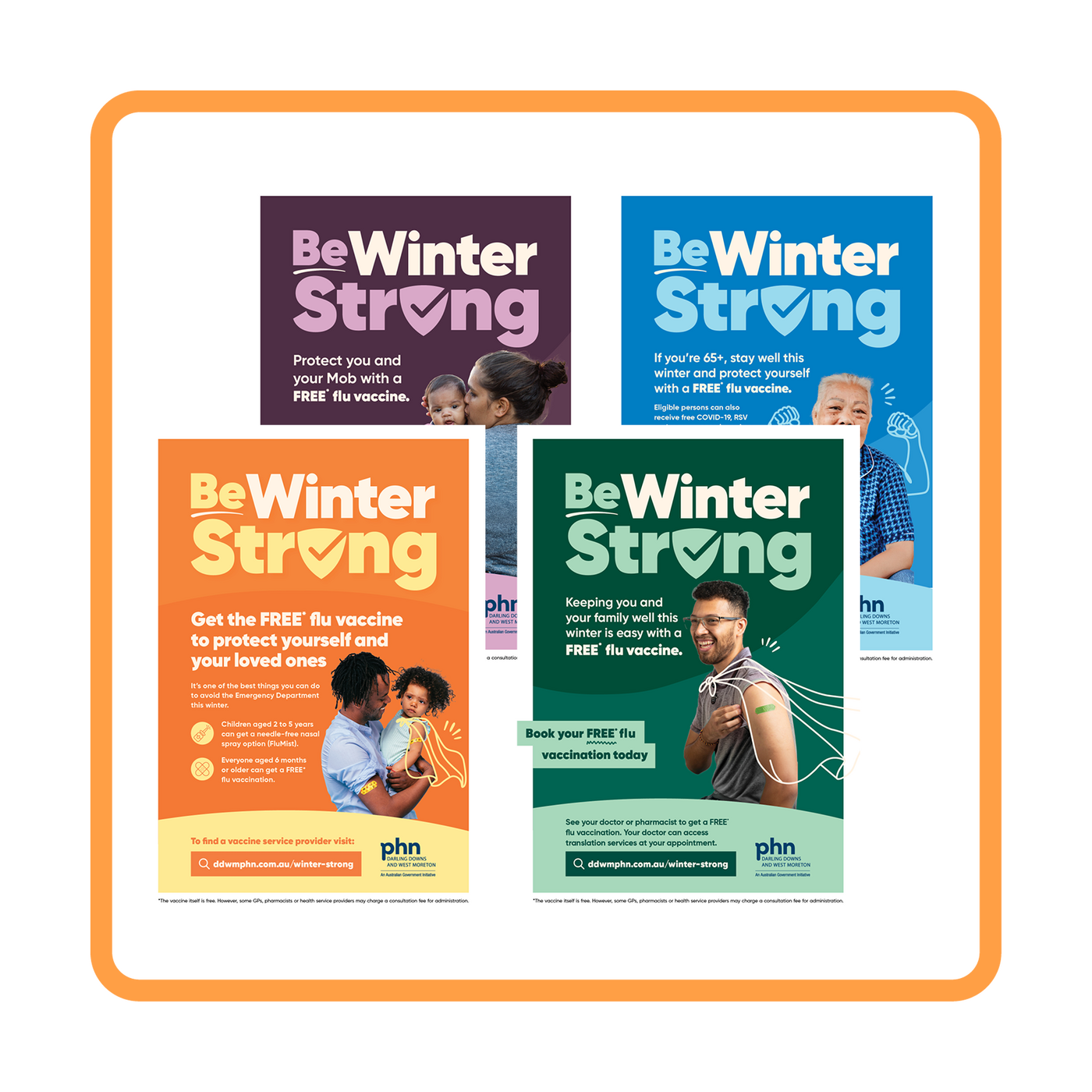
We have provided the following materials which will help you to help us spread the word about staying winter strong.
Through sharing this content to your channels and networks, you can support you community to stay informed and well this winter, and ease pressure on the local health system.
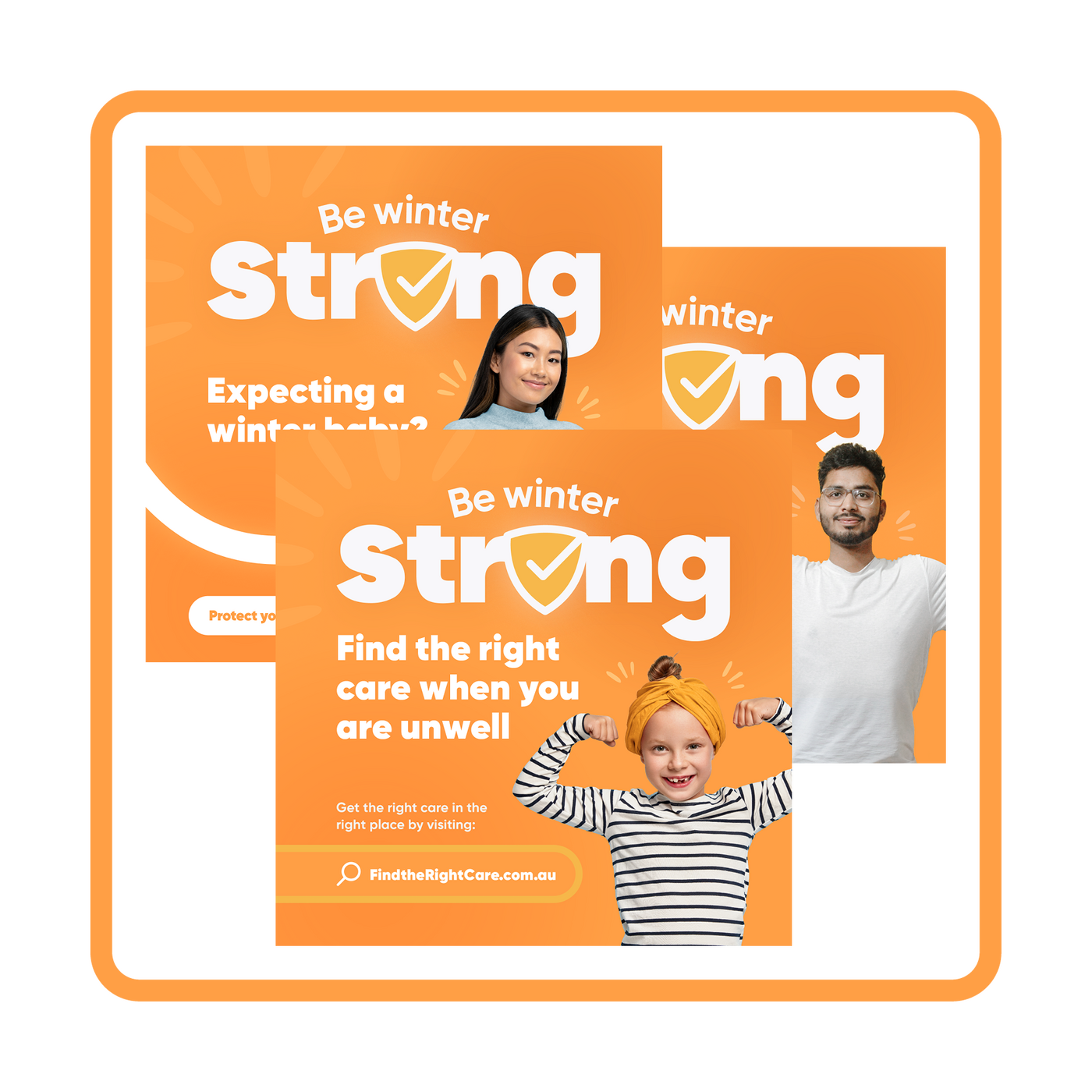
Social media
Download social media tiles to share winter strong messaging on your social media channels.
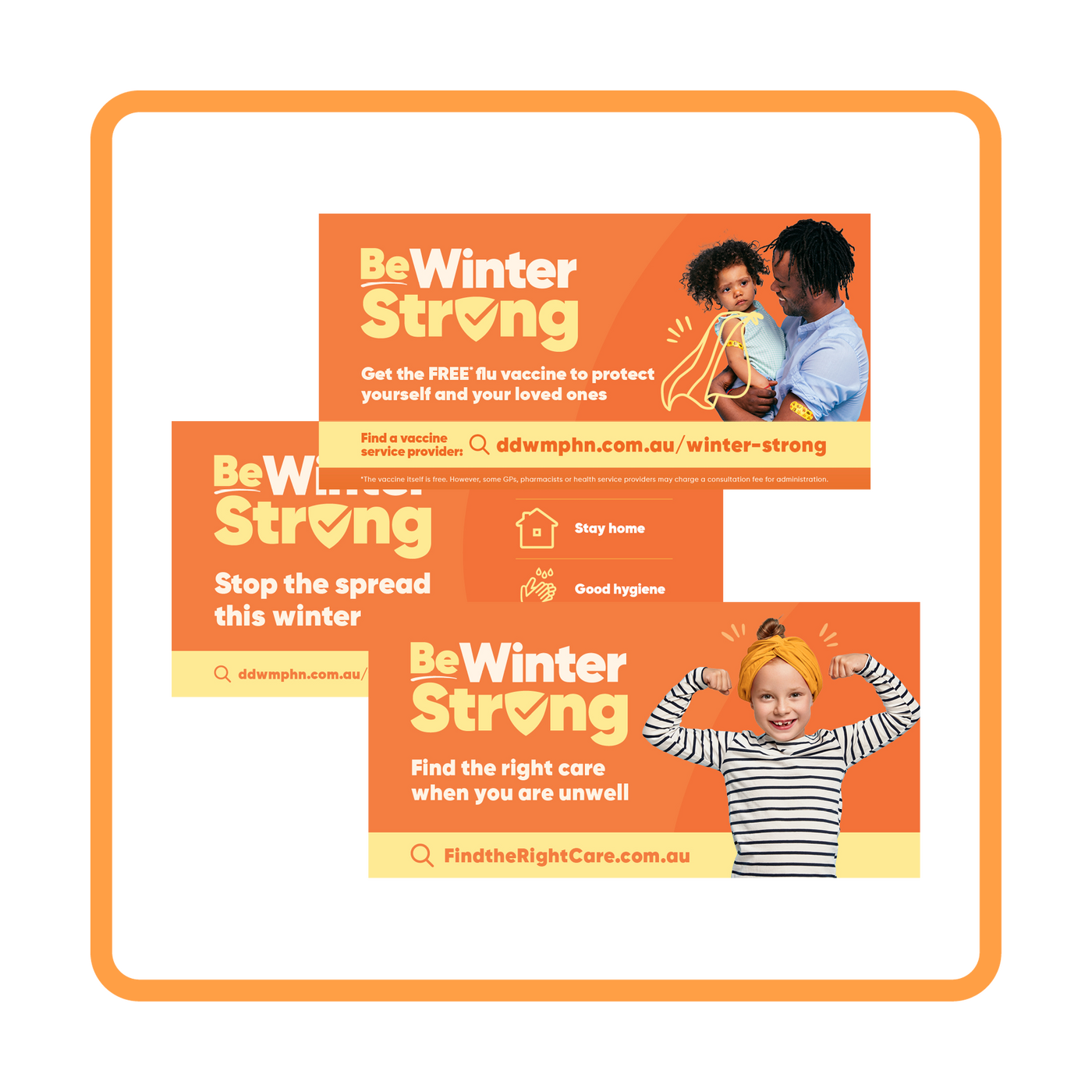
Newsletters
Download the newsletter messaging in long or short form, and the suite of tiles to promote winter strong in your newsletters.
Join us at the 2026 GP Symposia
Saturday, 18 July 2026
Highfields Cultural Centre, Toowoomba
Saturday, 29 August 2026
1 Nicholas Street, Ipswich