
 Search
Building on a shared vision for Thriving Lockyer Kids
November 19, 2026
A new child and family hub is taking shape in the Lockyer Valley, with The Thrive Hive set to provide a welcoming, inclusive and community-led space for children aged 0–8 and their families.
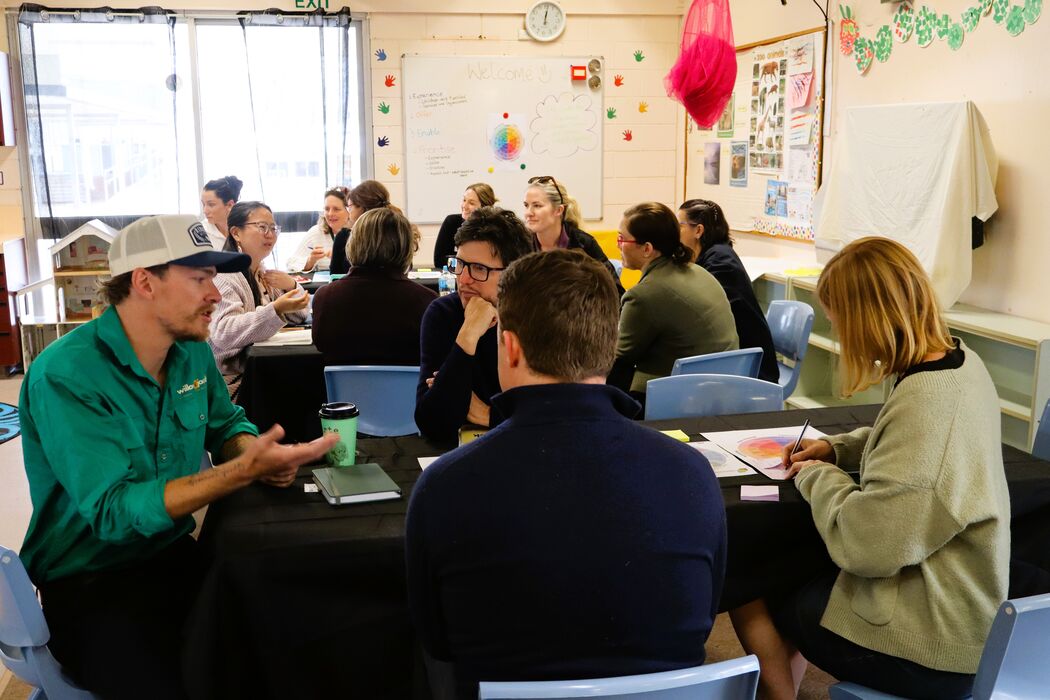
The future hub was a key focus of the fourth annual strategy workshop for Thriving Lockyer Kids (TLK), which brought together community, health and education service partners at Gatton State School in October.
TLK is a place‑based collective impact initiative that connects community, health, education, government and service partners to improve outcomes for children, young people and families across the Lockyer Valley.
Darling Downs and West Moreton PHN (the PHN) joined partners to reflect on the initiative's progress, strengthen collaboration and explore priorities for improving outcomes for children, young people and families across the region.
TLK Coordinator, Michelle Casten, and TLK Community Facilitator, Nicci Martin, opened the session with an overview of TLK’s achievements, partnerships and learnings over the past year.
"One of our biggest learnings over the past year has been that meaningful systems change doesn't happen overnight, and it certainly doesn't happen in isolation.
We've seen firsthand what can be achieved when we bring the right people together, listen to our community and turn shared challenges into collective action,” said Ms Casten.
These highlights were followed by a walking tour of the future Gatton State School Early Years Space, which will become home to The Thrive Hive – a welcoming, inclusive and community-led child and family hub.
The Thrive Hive aims to transform how children and families access early years opportunities, services and support across the Lockyer Valley. Supporting children aged 0–8 and their families, the hub will bring together education, health, community and family support partners to deliver a more integrated and accessible approach, with opportunities for play, learning, parent wellbeing and community connection.
The Thrive Hive is expected to open in mid-2027, with a planned three-phase rollout and the intention of being fully operational by 2028. TLK will lease the building from the Department of Education and fund the establishment and operation of the hub.
More than simply co-locating services, The Thrive Hive will prioritise cross-sector collaboration, shared responsibility and coordinated pathways of support. Its design is being shaped by families, community members and service partners, with a focus on creating a culturally safe, neuro-informed and inclusive environment that builds on existing community strengths.
"The Thrive Hive is about reimagining how education, health, community and family support services can work together to create a more connected and responsive system around children and families.
By bringing partners and community voices into the design from the very beginning, we're building something that reflects what families actually need and removes barriers to accessing support," said TLK Coordinator Michelle Casten.
In a series of breakout sessions on the day, participants explored key opportunities and future priorities related to the design and integration of the Early Years Space, the role of data in measuring progress towards the TLK vision, and strengthening early years transitions through workforce.
In the session facilitated by Michelle Casten and Principal Partnership Manager – Hubs, Sophie Morson, discussions were focussed on what matters to families and services in hub and how they experience it.
The conversation highlighted several key principles to guide the development and delivery of the hub, with a strong emphasis on creating an accessible, relationship-driven, welcoming and community-led space that supports the wellbeing of children and their families.
A ‘Strengthening Early Years Transitions’ session facilitated by the PHN’s Early Years Capability and Commissioning Coordinator, Sian Finn, and Capability Champion with Early Childhood Australia, Ashton Kunst, explored how family service interactions can support child and family wellbeing through shared knowledge and language.
Participants considered the family journey and the crucial role that health professionals, services and organisations play in supporting children and families during times of change.
Discussions highlighted the importance of shared responsibility, strong relationships and sustained investment in creating positive transition experiences.
The workshop reinforced the importance of strong relationships, cross-sector collaboration and connected service delivery in improving outcomes for children and families.
As attendees reflected on their sessions, there was a shared commitment to working collectively, strengthening community connections and ensuring families receive coordinated support that helps them thrive.
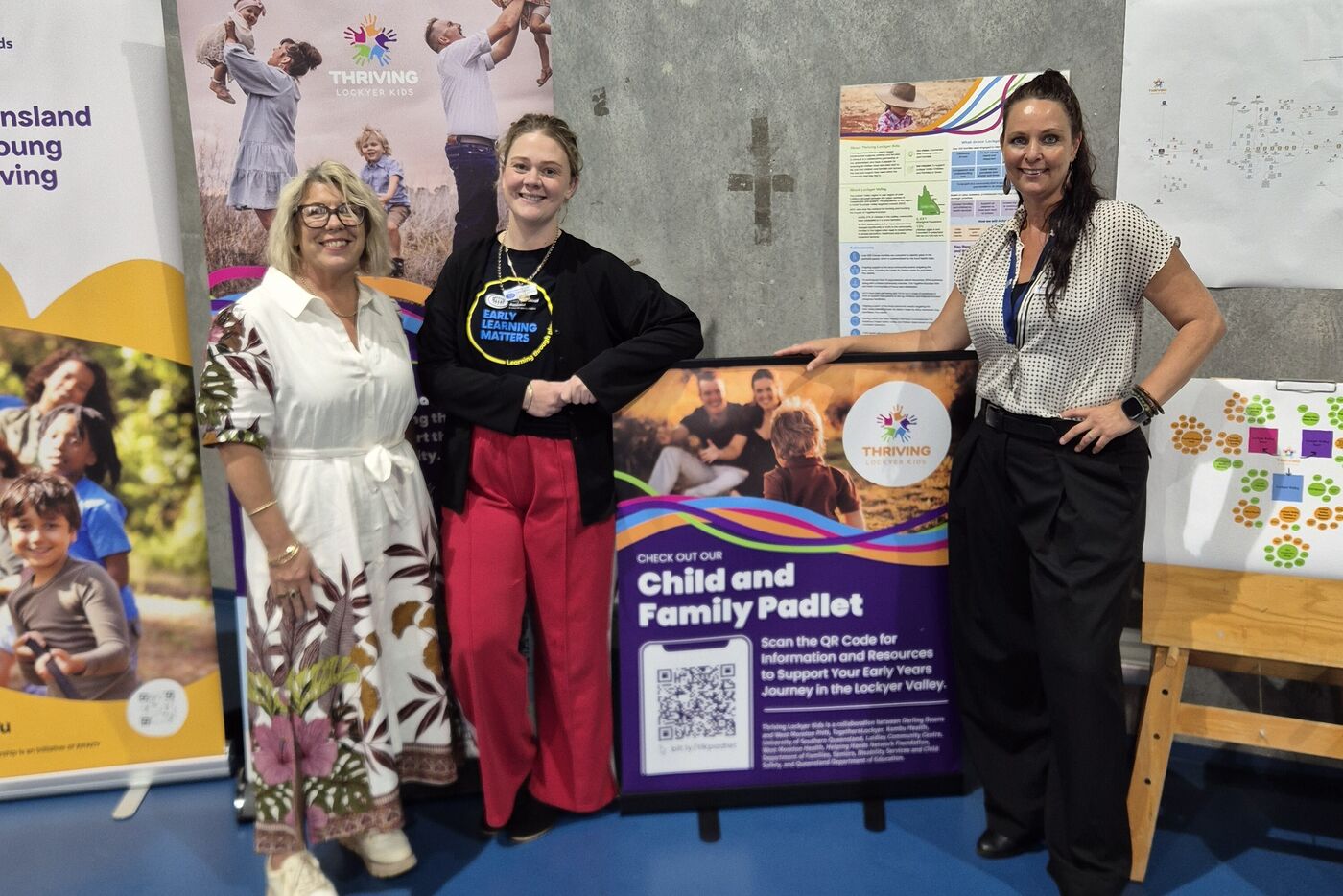
Photo (L–R): Nicci Martin (Intergenerational Stewardship Table - Queensland Kids Partnership), Ashton Kunst (Partnership and Practice Project Officer - Early Childhood Australia) and Sian Finn (Early Years Capability and Commissioning Coordinator – PHN).